

Navigating Truth: Color Blindness, Accessibility and Red Apples
Unraveling Misconceptions and Embracing Clarity


In our daily lives, we often encounter different viewpoints and interpretations of truth. This article aims to demystify some fundamental concepts, making them accessible for everyone. Let’s embark on a journey to explore the dynamics between objective truth, subjective truth, and the perception of truth.
Introduction
The concept of truth is integral to how we understand the world. But how do we navigate the interplay between personal interpretations and an overarching, universally agreed-upon truth?
Seeing Truth through Color-Blind Eyes: An Analogy
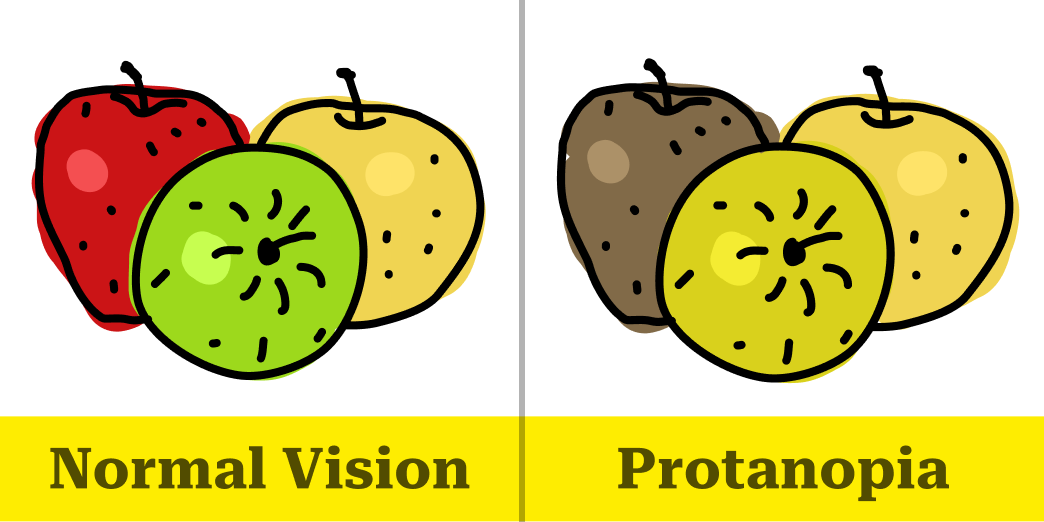
Let’s unravel the complex nature of truth through an analogy that many can relate to: color blindness. Just as individuals with color blindness may perceive the color red as green or brown (Protanopia), our understanding of truth can also be influenced by
personal lenses.
The Color of an Apple:
Objective Reality: The color red associated with a ripe apple is defined by specific wavelengths of light, a fact independent of individual perception.
Subjective Truth: Imagine a scenario where everyone sees apples as green, akin to color blindness (Protanopia). Personal interpretations may vary, with some describing the apple as green or brown based on their unique perceptions.
Extending the Analogy:
Objective Truths: Just as the real color of the apple persists despite varied perceptions, certain truths remain objective, consistent, and unaffected by personal viewpoints.
Subjective Truths: Individual interpretations of the apple’s color mirror subjective truths. These are shaped by personal experiences, emotions, and perspectives, creating a diverse tapestry of individual realities.
Navigating the Analogous Landscape:
Objective Reality vs. Subjective Interpretation: The analogy highlights the distinction between the unchanging reality of an objectively red apple and the varied interpretations influenced by subjective factors.
Perception of Truth in Color and Beyond: Understanding subjective truth as a perception, akin to color vision, emphasizes that our individual lenses influence how we interpret and perceive the world.
Objective Truth: The Solid Ground
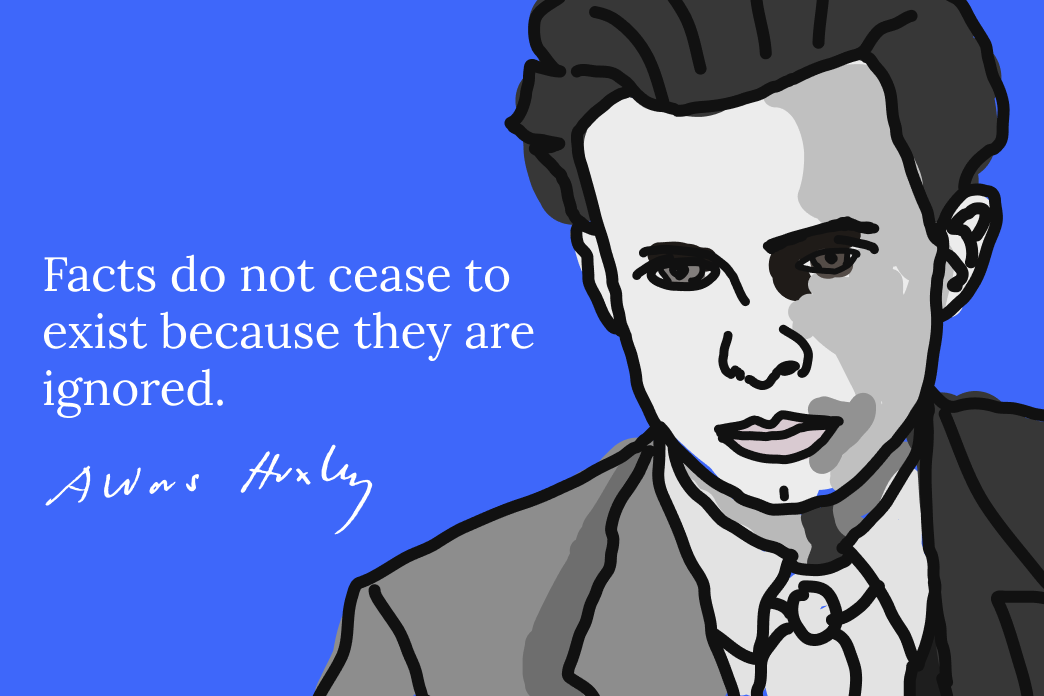
Definition: Objective truth refers to facts or realities that exist independently of personal opinions or perspectives.
“Facts do not cease to exist because they are ignored.” — Aldous Huxley
Objective truths are the bedrock of shared knowledge, providing a stable foundation for our understanding of the world.
Subjective Truth: The Personal Lens
Definition: Subjective truth is an individual’s personal interpretation of truth, shaped by experiences, feelings, and perspectives.
Clarification: Subjective truth doesn’t imply that truth is liquid or formless. It acknowledges the diversity of individual experiences without suggesting that reality can be modified by personal feelings.
Unraveling the Term: Subjective Truth and its Misleading Connotations
While the term “subjective truth” is commonly used, its interpretation can lead to confusion and misconceptions. Let’s delve into why this term might be misleading and explore an alternative that more accurately captures the concept of personal interpretation
The Misleading Aspect:
The phrase “subjective truth” carries an inherent risk of suggesting that truth itself is subjective, flexible, or open to modification based on personal feelings. This interpretation can inadvertently foster the notion that reality is formless and subject to individual whims.
Why It’s Problematic:
Ambiguity: The term may create ambiguity by blurring the line between truths shaped by personal experiences and universally accepted objective facts.
Potential Misunderstandings: Using “subjective truth” might imply that conflicting personal interpretations can coexist as equally valid truths, leading to misunderstandings in communication.
A More Precise Alternative: Perception of Truth
To address these concerns and provide a more accurate representation of personal interpretation, consider using the term “perception of truth.” This alternative underscores that truth is filtered through individual perspectives without suggesting a malleable reality.
Why “Perception of Truth” Works Better:
Clarity: The phrase “perception of truth” immediately clarifies that we are discussing how individuals perceive and interpret truth, rather than altering its fundamental nature.
Accurate Reflection: This alternative maintains the focus on the interpretive aspect of truth, without implying that reality itself is changeable based on personal feelings.
Embracing Precision in Language:
By adopting the term “perception of truth,” we can communicate more precisely, fostering a clearer understanding of the nuanced relationship between personal interpretations and the objective realities that shape our collective understanding of the world. This shift in language empowers us to discuss diverse perspectives without inadvertently suggesting a fluidity in the very nature of truth.
Striving for Clarity: Navigating the Perilous Path Between Perception and Objective Truth
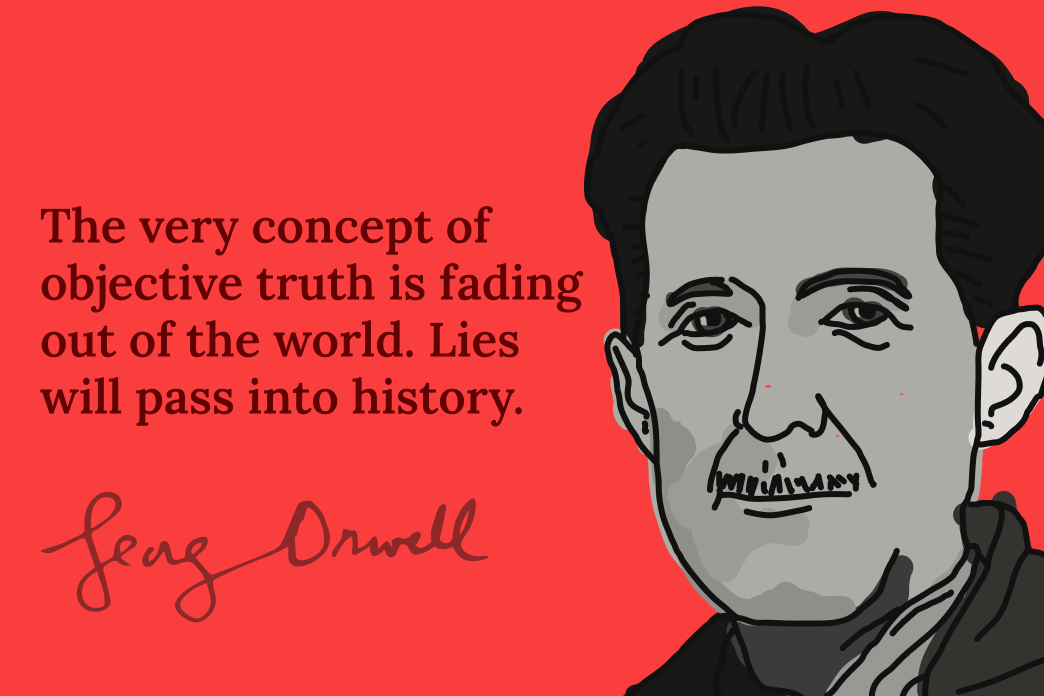
In our journey to understand truth, the importance of free thinking, individual perception, and interpretation cannot be overstated. However, it’s equally crucial to recognize the profound impact that aligning personal beliefs, opinions, or perceptions on the same level as objective truth can have on society. This section explores the delicate balance between free thinking and the pursuit of objective truth, while delving into the dangers that arise when the two are conflated.
The Power of Free Thinking:
1. Encouraging Diverse Perspectives: Free thinking allows for a myriad of perspectives, fostering a rich tapestry of ideas and interpretations.
2. Promoting Individual Growth: The freedom to think independently encourages personal growth and a deeper understanding of one’s own beliefs.
The Perilous Conflation:
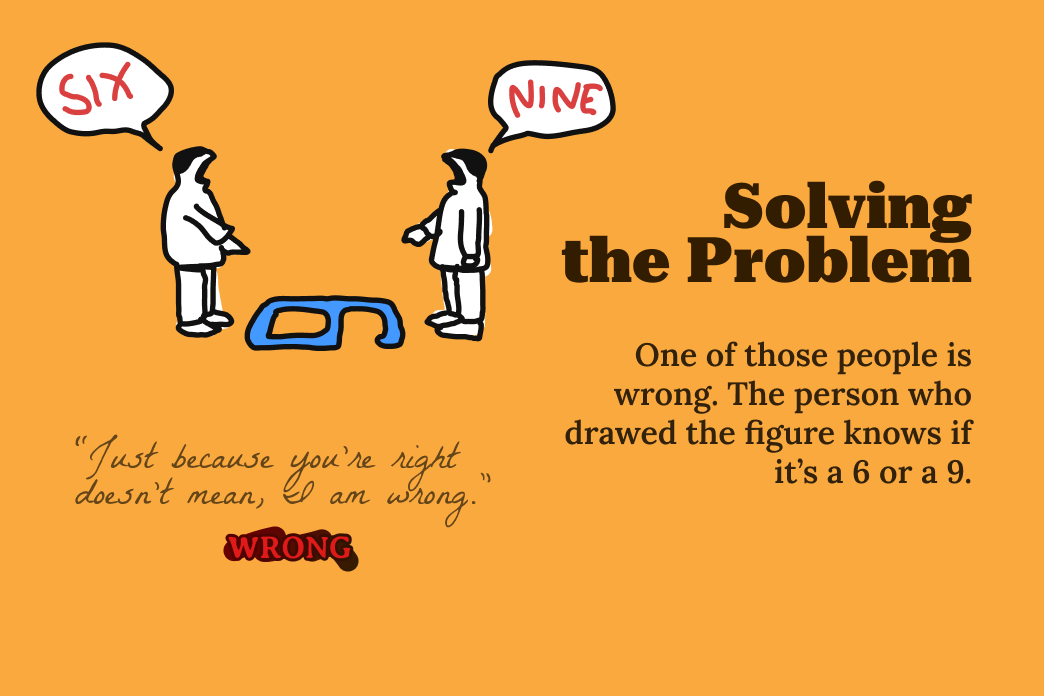
The Danger of Equating Perception with Truth: Placing personal opinions, perceptions, or subjective truths on the same ground as objective reality can lead to a dangerous blurring of lines.
The Path to Chaos and Deception: Equating all viewpoints as equally valid truths can create a chaotic environment where misinformation and deception thrive.
The Quest for Objective Truth:
Freedoms Anchored in Objectivity: True freedom lies in the pursuit of objective truth, providing a stable foundation for informed decisions and societal progress.
Aiming for What Is Objectively Good: Objective truths, realities, and facts serve as a compass for what is objectively good, guiding ethical decision-making.
Books that Illuminate the Path:
“1984” by George Orwell: Orwell’s classic explores the dangers of manipulated truths and the consequences of a society where subjective interpretations replace objective realities.
“The Death of Truth” by Michiko Kakutani: Kakutani’s work delves into the erosion of objective truth in today’s society and the perilous implications of blurring the lines between fact and opinion.
Embracing Free Thinking with a North Star
In a world where information is abundant and diverse perspectives are valued, free thinking is essential. However, this freedom must be accompanied by a commitment to distinguishing between subjective interpretations and objective truths. By aiming for objectivity and recognizing the dangers of equating all opinions with truth, we can navigate the complex landscape of information, fostering a society anchored in clarity, understanding, and a collective pursuit of what is objectively good.
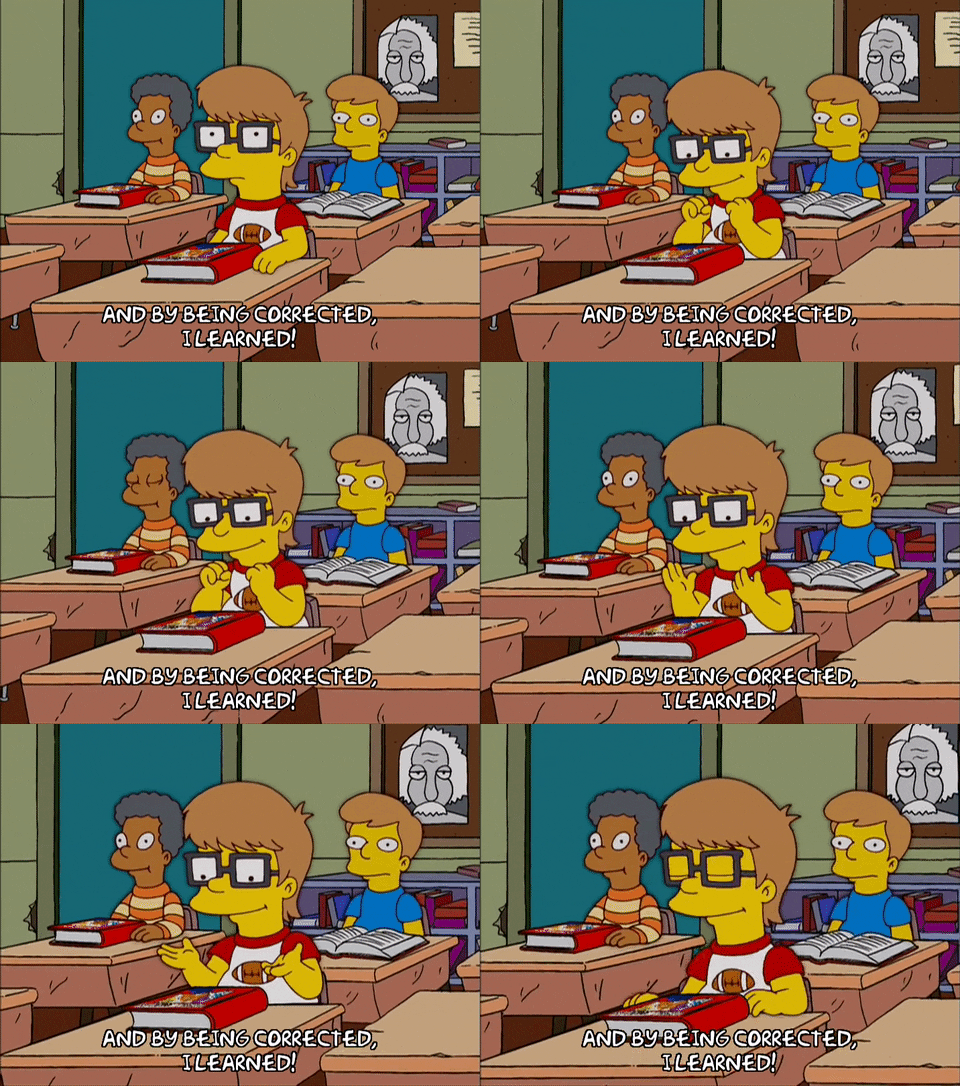
Thank You for Navigating Truth Together!
As we conclude this exploration of truth, perspectives, and the delicate balance between free thinking and objective reality, I extend my sincere gratitude to you, reader. Your curiosity and engagement enrich our collective understanding.
Join the Conversation: Send what you think, I invite you to like and share this article.
By doing so, you contribute to fostering open dialogue and spreading awareness about the importance of navigating truth with clarity and empathy.
I really appreciated your quote about the book '1984,' particularly regarding the exploration of absolute truth. Orwell's portrayal of a society dominated by a distorted and manipulated reality is both chilling and thought-provoking. '1984' serves as a stark warning about the dangers of a world where truth is controlled and manipulated for political purposes. It's incredible how relevant and impactful the book remains today, making us reflect on the importance of defending the concept of absolute truth in our own lives. Thanks for highlighting this crucial aspect of the novel!
What a spectacular work, with several highlighted points, an excellent text containing worthy information